
What "Luxury" Actually Means in the Lisbon Market
The term luxury is overused in Lisbon real estate marketing. For analytical purposes, the luxury segment can be defined by three thresholds: price above €8,000/m², total transaction value above €1.5M, or a buyer profile that is international HNWI. By these measures, Lisbon's genuine luxury market is concentrated in a handful of streets.
The zones where a real luxury premium exists are: Avenida da Liberdade and immediate surroundings, upper Príncipe Real and Jardim da Estrela, Chiado palacetes and exceptional historic apartments, and Cascais waterfront and Serra properties. Outside these specific micro-locations, properties priced at luxury levels frequently lack the liquidity and buyer depth to support those valuations at exit.
"In Lisbon's luxury market, the asset that costs the most to build is not always the asset worth the most to buy. What luxury buyers pay for is irreplaceable location, genuine architectural quality, and a space that cannot be replicated."
What Drives the Luxury Premium in Lisbon
Irreplaceable Location
The top floor of a Pombaline building on Rua Garrett with a Tagus view. A palacete with a private garden in Príncipe Real. These exist in finite supply and cannot be created — only transformed.
Architectural Authenticity
The luxury buyer in Lisbon is not buying a generic premium apartment — they can get that in any European capital. They're buying a specific relationship with Lisbon's historic fabric. Authentic materials, original proportions, heritage-sensitive restoration.
Finish Without Compromise
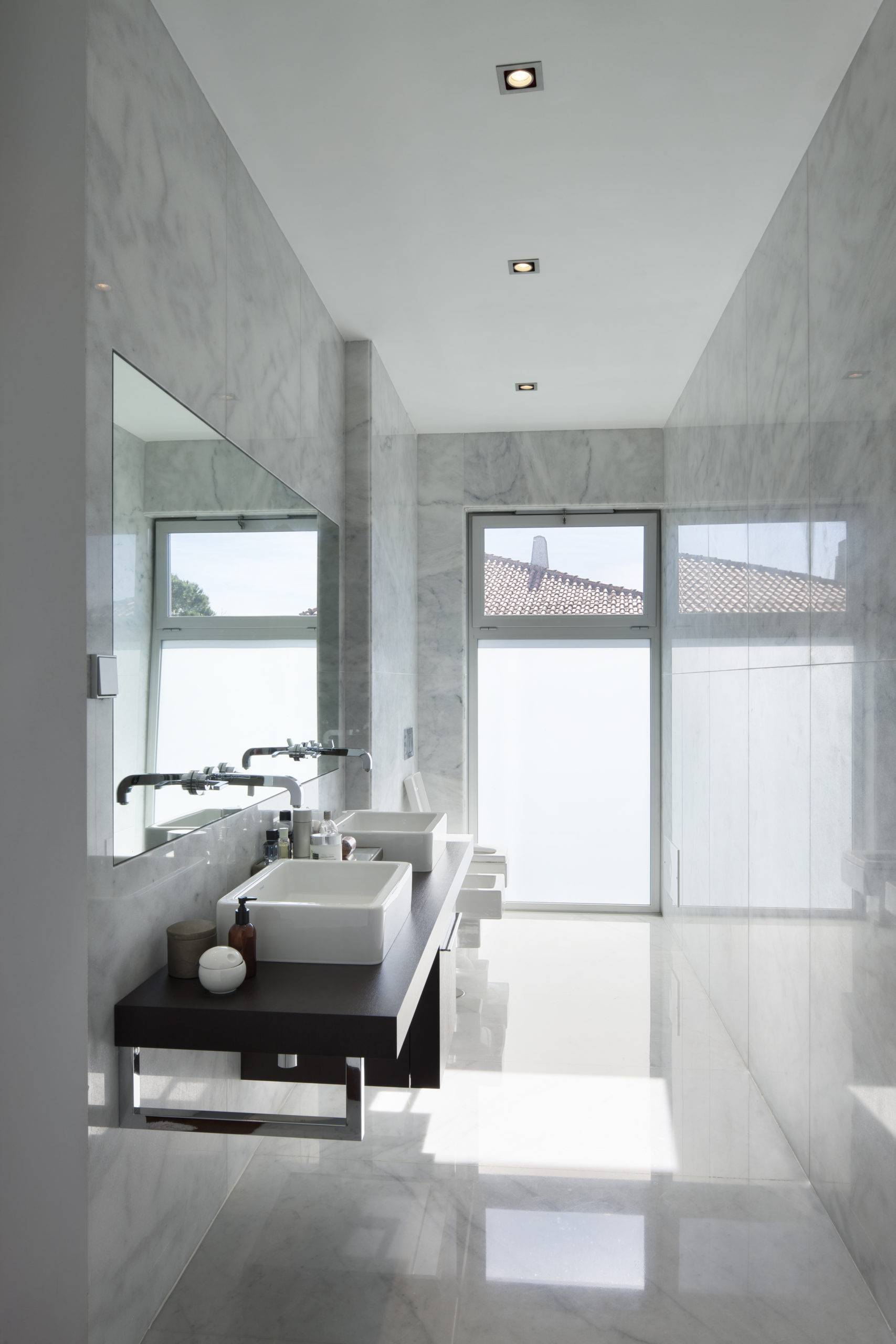
Stone, timber, bronze, linen plaster — the material palette that reads as genuine luxury at this price point. Bespoke joinery. Radiant heating. A kitchen that competes with Paris or London at the same price level.
The ROI Reality of Luxury Property in Lisbon
Luxury property in Lisbon offers a different return profile than the mid-market. Gross rental yields are lower — typically 3.5–5% — because capital values are highest. But this is the wrong metric for most luxury buyers. The primary return drivers are:
Capital preservation and appreciation. Ultra-prime Lisbon assets have shown consistent price appreciation and very limited downside in stress scenarios. The buyer depth is international, providing currency and geographic diversification relative to capital placement in the buyer's home market.
Lifestyle utility. A significant proportion of luxury buyers in Lisbon are acquiring a primary or secondary residence — the rental yield is supplementary to personal use. The investment case is partly hedonic, and this is legitimate provided the buyer understands what they're paying for.
Exit liquidity. A genuinely exceptional Lisbon property — Pombaline palacete in Príncipe Real, top-floor Chiado apartment with terrace, Cascais waterfront villa — tends to attract international buyers in virtually any market environment. This liquidity is the real premium of the ultra-prime asset.
| Asset Type | Price Range | Gross Yield | Exit Liquidity | Grade |
|---|---|---|---|---|
| Av. Liberdade — palacete / whole floor | €3M–8M+ | 3–4.5% | Very high | Trophy |
| Príncipe Real — historic palacete with garden | €2M–5M | 3.5–5% | High | Trophy |
| Chiado — top floor, Tagus views, terrace | €1.5M–3.5M | 4–6% | High | Trophy |
| Cascais — waterfront villa | €2M–6M | 3–5% | High | Trophy |
| Central Lisbon — "luxury" label, average location | €1M–2M | 3–4% | Moderate | Selective |
The Renovation Standard That Luxury Demands
The most expensive mistake in Lisbon's luxury property market is a renovation that looks expensive but isn't actually excellent. Luxury buyers — particularly those who have purchased in Paris, London, or New York — have an immediate instinct for the difference between genuine quality and expensive mediocrity.
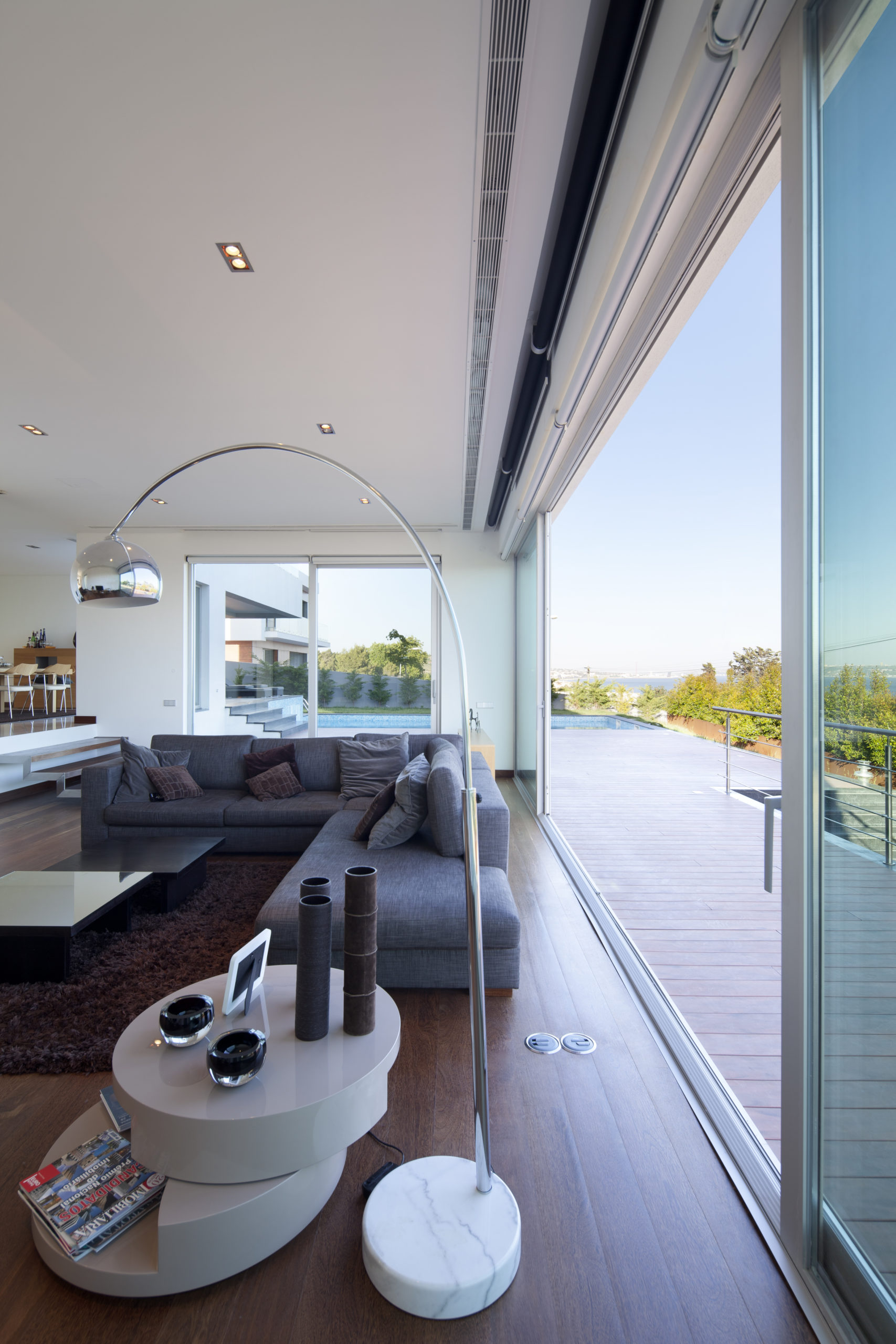
At the luxury level, renovation is not simply a cost per square metre — it's a series of specific design decisions that together create a property that is genuinely irreplaceable. The spatial sequence, the relationship between public and private rooms, the quality of light, the material consistency, the joinery precision. Every detail is evaluated by a buyer who has seen the best examples in the best cities in the world.
F. Simões Arquitectos has designed and executed luxury renovations across Chiado, Príncipe Real, and Alfama. Our approach to the luxury brief begins with a rigorous understanding of the target buyer — their references, their expectations, and the international comparables they hold in mind when they walk through the door.
Is It Worth It?
Luxury property investment in Lisbon is worth it when three conditions are met: the asset is genuinely irreplaceable (location, typology, views, or historic significance that cannot be replicated), the renovation is executed at a standard that matches international luxury expectations, and the buyer's investment horizon is medium to long-term (5+ years).
When these conditions are absent — when a property is expensive but not exceptional, or when the renovation cuts corners to protect short-term margin — the luxury premium evaporates at exit and the investor is left holding an asset priced above its genuine market depth.
The honest answer to "is it worth it?" is: the right luxury asset in Lisbon, renovated to the right standard, by the right team, is one of the most defensible investments in Southern European real estate. The wrong luxury asset is just an expensive mistake dressed in expensive materials.
Evaluating a luxury property in Lisbon?
Our pre-purchase analysis for ultra-prime properties includes architectural assessment, renovation specification at luxury standard, comparables analysis, and ARV modelling. We've worked in every zone where genuine Lisbon luxury exists. Contact us before you negotiate.
Request Luxury Property Consultation